- CONDITION
-
In generally good overall condition.
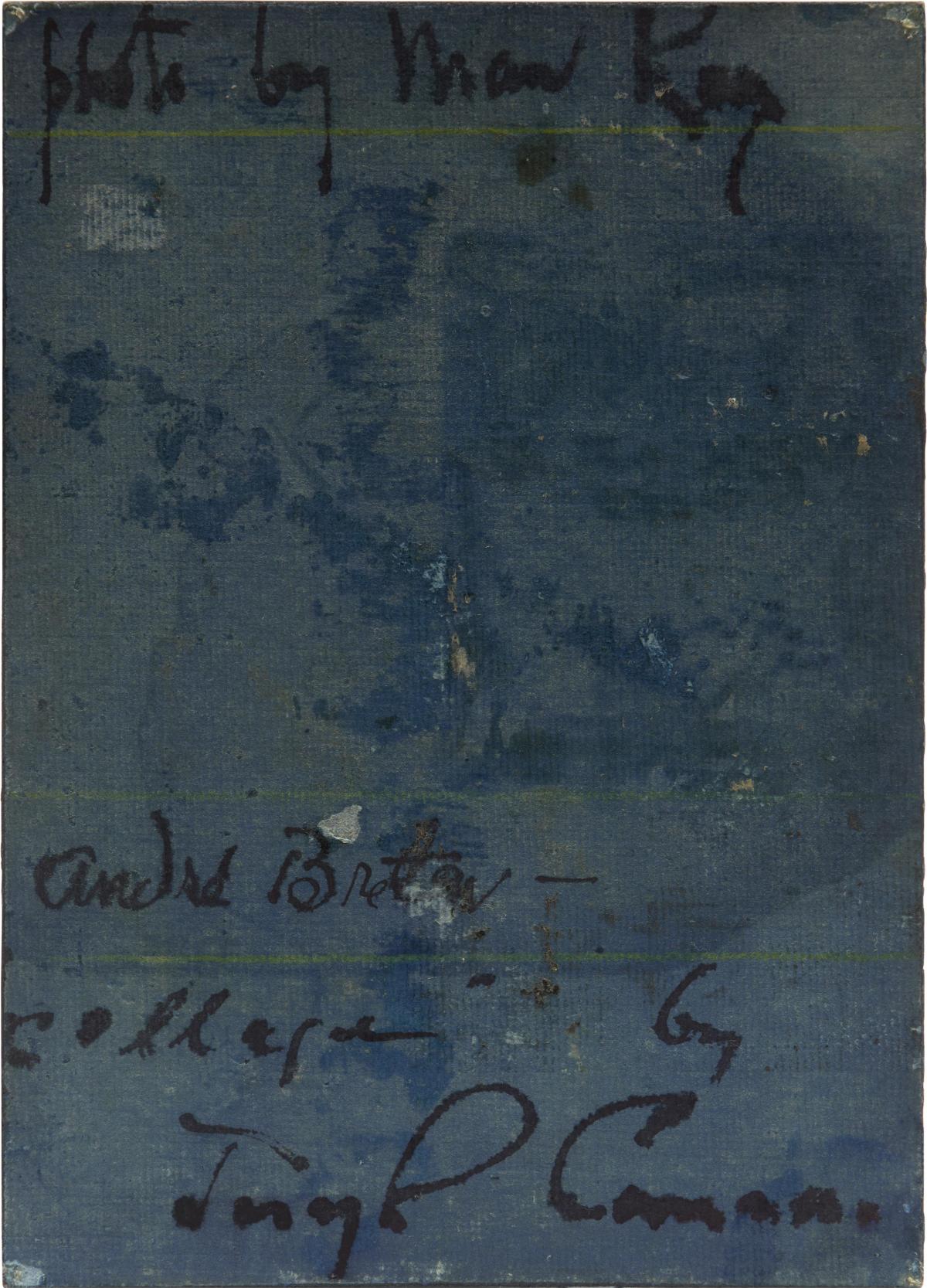
Signed and titled to the lower part of the reverse.
With slight time staining consistent with age.
- DESCRIPTION
-
Born in the suburbs of New York, Joseph Cornell (1903–1972) spent his entire life within the United States. Yet he is widely known as a pioneer of assemblage art, creating small worlds enclosed within boxes—voyages of the imagination. In his twenties, he enrolled at the prestigious Phillips Academy, but left without completing his studies, unable to find common ground with traditional art. It was in the 1930s that an encounter with Max Ernst’s collage novel La Femme 100 Têtes (The Woman with 100 Heads) led him to begin creating collages and box-based assemblages. Using everyday materials—scraps, trinkets, and photographs—Cornell produced an abundance of enchanting miniature works, treasures unto themselves, expressing his deep attachments to cinema, literature, astronomy, and European culture. His work caught the attention of Surrealist artists and gallerists exiled from Europe, and his pieces were included in the exhibition Surréalisme held at the Julien Levy Gallery in 1932, which at that time was a hub of activity for Surrealist artists. Though Cornell himself did not actively engage with the movement, he has long been regarded as a pioneer of American Surrealism.
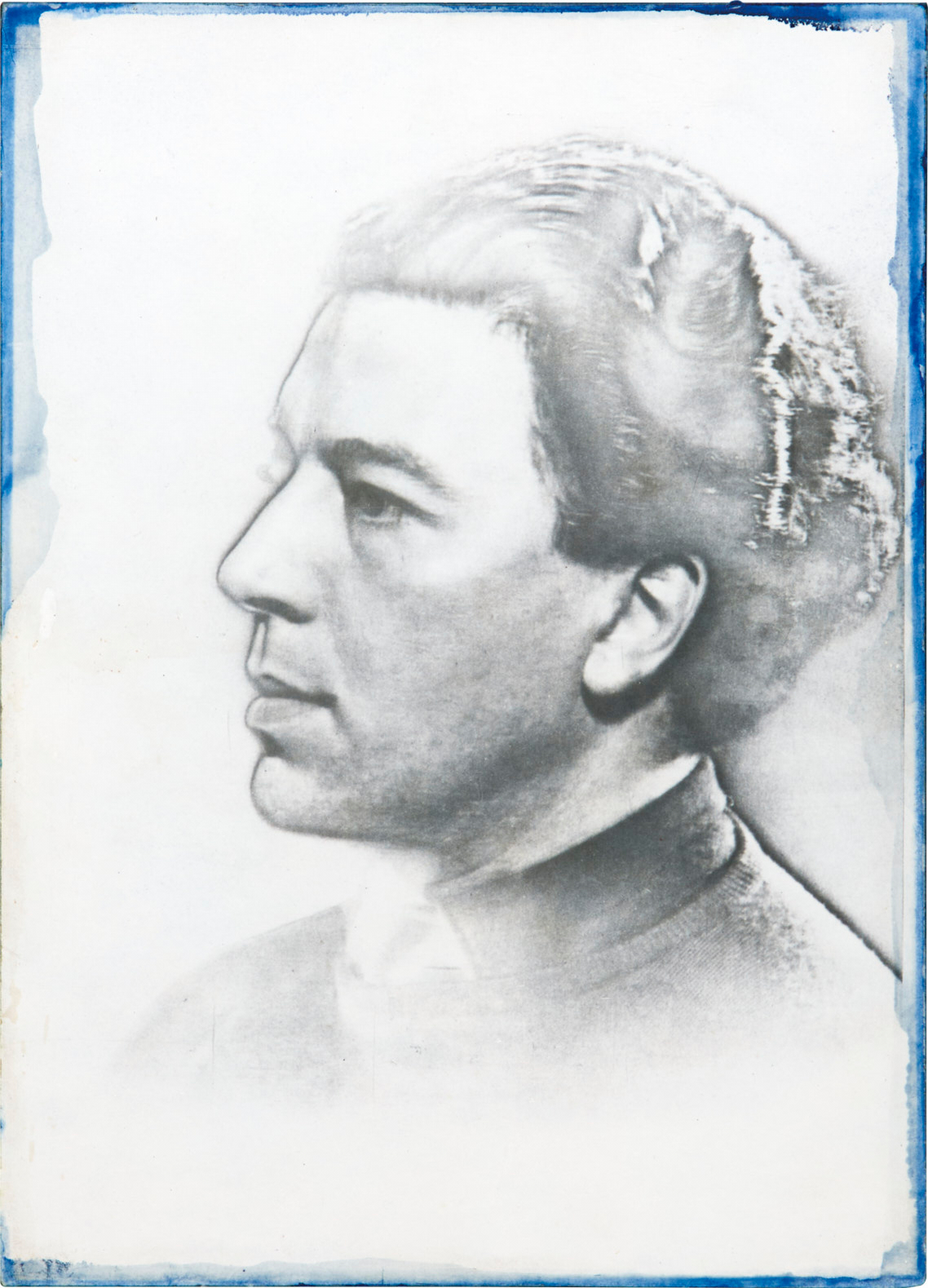
This work is a collage made around 1960, incorporating a portrait of André Breton, the founder of Surrealism. The ethereal likeness of Breton, captured in a 1930 photograph by Man Ray, is framed by the distinctive blue characteristic of Cornell’s work, applied to the borders and the reverse of the piece. In 1992, Satani Gallery in Japan acquired the work from Timothy Baum Gallery in New York, and the following year it was shown in the exhibition André Breton and Shuzo Takiguchi organized by the same gallery in 1993.